

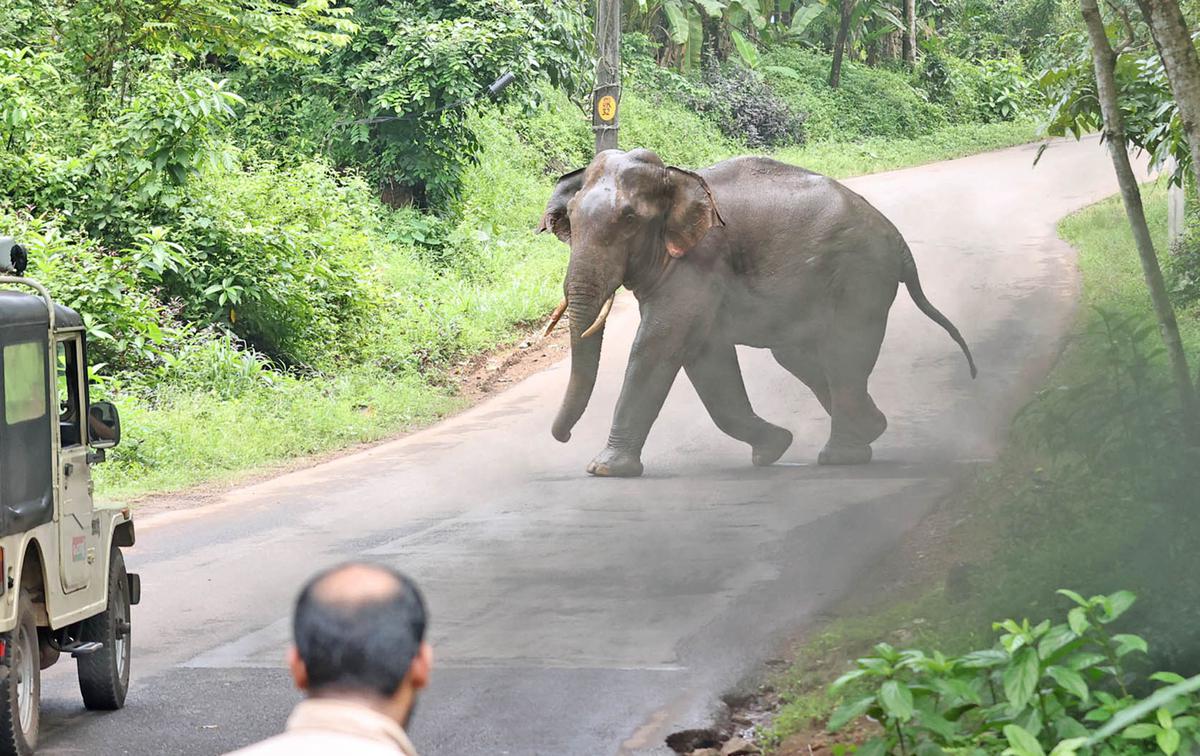
RECALL – Protecting Habitats, Preserving Wildlife
Recall is more than a project; it is a movement to protect the homes of wildlife, restore ecological balance, and remind humanity of its responsibility to preserve nature’s harmony.
“Keep them home. Keep nature whole.”
Overview
Recall is an environmental conservation initiative dedicated to protecting natural habitats and preserving wildlife. The project addresses habitat loss, environmental disruption, and the resulting threats to biodiversity caused by deforestation, urban expansion, and climate change. By restoring and conserving critical ecosystems, Recall ensures that wildlife can thrive in their native surroundings while reducing human-animal conflicts and ecological imbalance.
Vision
To safeguard natural habitats and foster coexistence between humans and wildlife, ensuring the survival of biodiversity for future generations.
Objectives
- Protect and restore native ecosystems and critical wildlife habitats.
- Prevent habitat fragmentation and environmental switching caused by human activities.
- Reduce human-animal conflicts and promote sustainable development practices.
- Raise awareness about the importance of habitat preservation through education and community engagement.
- Advocate for stronger policies and protection of forested and ecologically sensitive areas.
Expected Impact
- Improved conservation of native ecosystems and biodiversity.
- Stabilisation of wildlife populations within their natural habitats.
- Enhanced community understanding and participation in wildlife protection efforts.
- Reduction in human-animal conflicts and environmental disturbances.
- Strengthened collaboration between conservationists, local communities, and authorities.
Long-Term Sustainability
Recall ensures long-term sustainability by involving local communities in habitat monitoring, reforestation, and conservation efforts. Partnerships with conservationists, authorities, and NGOs provide technical guidance and resources. Advocacy initiatives promote policy changes to protect ecosystems, while community education fosters ongoing stewardship of wildlife and habitats.
Core Components
- Habitat Restoration: Reforestation drives, ecosystem rehabilitation, and wildlife corridor creation.
- Awareness Programs: Educational workshops, campaigns, and community engagement to promote coexistence with wildlife.
- Monitoring and Research: Habitat monitoring, species tracking, and data collection for informed conservation.
- Policy Advocacy: Collaborating with authorities to enforce laws protecting forests and critical habitats.
- Community Involvement: Empowering local populations to participate in conservation and sustainable practices.
Recall is more than a project; it is a movement to protect the homes of wildlife, restore ecological balance, and remind humanity of its responsibility to preserve nature’s harmony.